

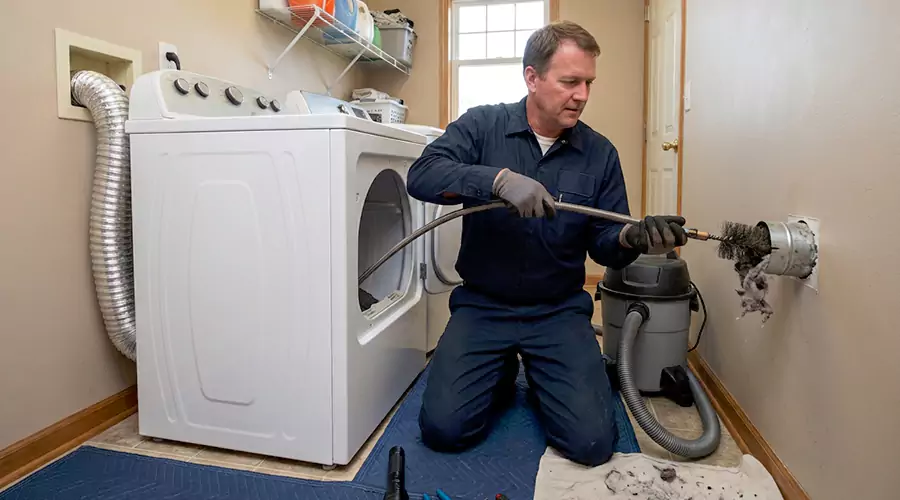
A dryer may smell like burning because of accumulated lint, a clogged exhaust vent, an overheating motor, electrical problems, or fabric that is becoming too hot. A temporary odor can sometimes occur when a brand-new dryer is first operated, but a persistent or unexpected burning smell should never be ignored. Stop using the appliance until the cause has been identified.
Clothes dryers produce heat to remove moisture from laundry. Under normal conditions, the appliance controls its operating temperature while exhausting warm, humid air through the vent system. Problems with airflow or internal components can cause temperatures to rise beyond the intended range. Because lint is combustible, unusual burning odors may indicate a fire hazard. A professional dryer vent cleaning service can remove accumulated lint and help restore proper airflow. However, the smell can also originate from electrical wiring, a damaged drive belt, or residues on clothing. Recognizing the possible causes helps homeowners determine when basic maintenance is appropriate and when professional service is needed.
Is a Burning Smell From a Dryer Dangerous?
Yes, an unexplained burning smell should be treated as a potential safety problem. It may indicate overheated lint, damaged electrical components, or another fault. The U.S. Consumer Product Safety Commission (CPSC) warns that lint accumulation can restrict airflow and cause excessive heat buildup. Under certain conditions, this can contribute to dryer fires. If the appliance smells like burning, stop the cycle. If there is visible smoke, flames, or an active fire, leave the area, evacuate occupants, and contact emergency services. Do not attempt to continue drying clothes. If you smell gas near a gas dryer, evacuate the building and contact emergency services or the gas utility from outside. Avoid electrical switches, appliances, and potential ignition sources.
Common Causes of a Burning Dryer Smell
| Possible Cause | Common Warning Sign | Recommended Response |
|---|---|---|
| Lint accumulation | Hot or scorching smell | Stop use and inspect professionally |
| Blocked dryer vent | Long drying times and overheating | Arrange vent cleaning |
| Electrical fault | Plastic or electrical burning odor | Disconnect power safely and request service |
| Overheating motor | Burning smell with unusual noise | Request appliance repair |
| Damaged drive belt | Rubber-like burning odor | Stop use and arrange inspection |
| Fabric overheating | Scorched clothing or unusual fabric smell | Check care instructions after appliance is safe |
| New appliance residues | Mild odor during initial approved operation | Follow manufacturer guidance |
| Chemical-contaminated laundry | Unusual chemical smell or heat | Stop use and follow fire-safety precautions |
Smell alone cannot confirm which component is responsible. Avoid assuming the problem is harmless without checking the appliance.
1. Lint Has Accumulated Inside the Dryer
Lint can collect in areas beyond the removable filter, including internal compartments and exhaust passages. When excessive lint is exposed to high temperatures, it can create a serious fire concern. The CPSC recommends periodic cleaning of the dryer's interior by qualified service personnel. Cleaning the lint screen after every load reduces buildup but does not remove material already accumulated inside the cabinet. If an unusual burning smell develops, stop operating the appliance and arrange appropriate inspection.
2. The Dryer Vent Is Clogged
A blocked exhaust vent restricts the movement of warm, humid air to the outdoors. This can contribute to overheating and longer drying cycles. Common accompanying symptoms include clothes remaining damp, excessive dryer heat, weak outdoor airflow, and restricted-vent warnings. Whirlpool identifies vent obstructions as an important cause of poor drying and abnormal heat buildup. A professional can inspect the entire exhaust route and remove accumulated lint. Cleaning the visible exterior opening alone may leave deeper obstructions unresolved.
3. Electrical Components Are Overheating
Damaged wiring, loose electrical connections, or failing internal components may produce an electrical burning odor. Some homeowners describe this as a hot plastic smell. However, odor descriptions are not reliable enough to diagnose the exact problem. Samsung advises turning off an electric dryer at the circuit breaker and requesting service when an electrical odor occurs. If a fire or gas leak is suspected, prioritize evacuation rather than operating electrical controls. Electrical repairs should be performed by qualified personnel. Do not open the appliance cabinet to inspect live wiring.
4. The Dryer Motor Is Overheating
The motor drives the drum and other moving components. When a motor develops a mechanical or electrical problem, abnormal heat or an unusual odor may occur. Warning signs can include grinding noises, difficulty starting, repeated stopping, or a drum that no longer rotates normally.
A motor problem cannot be corrected by cleaning the external vent alone. A qualified appliance technician should inspect the affected components and determine whether repair or replacement is appropriate.
5. A Drive Belt Is Slipping or Damaged
Many dryers use a belt to rotate the drum. A worn or misaligned belt can create friction and may produce a rubber-like smell. A damaged belt may also cause squealing sounds or prevent the drum from turning properly. Stop operating the dryer if a new burning odor appears with unusual mechanical noise. Continuing to run the appliance could worsen the damage. A technician can inspect the belt, pulleys, and related components.
6. Clothing Is Being Exposed to Excessive Heat
Some fabrics cannot tolerate high dryer temperatures. Synthetic materials may become damaged when dried using unsuitable settings. Samsung advises selecting the correct temperature for the clothing being dried and notes that high heat can affect certain synthetic materials. Always follow clothing care labels. Items contaminated with oils, solvents, or other flammable substances present additional fire concerns and require special handling. A burning odor should not be dismissed as a fabric problem until the appliance and exhaust system have been assessed.
7. The Dryer Is Brand New
A new dryer may produce a temporary odor as certain manufacturing or shipping residues warm during initial operation. Samsung notes that some new dryers can have a short-lived odor during first use. Its instructions for applicable models describe an initial empty cycle to dissipate the smell. However, this explanation applies only when consistent with the manufacturer's guidance for the exact appliance. A strong, worsening, or persistent burning odor requires stopping use and arranging service. Do not assume that every burning smell is normal simply because the dryer is new.
What Should You Do if Your Dryer Smells Like Burning?
Take the following precautions:
- Stop the drying cycle immediately.
- Check for smoke, flames, or signs of fire without approaching unsafe equipment.
- Evacuate and contact emergency services if smoke or fire is present.
- If gas is suspected, leave the building and avoid operating electrical switches.
- For a non-emergency electrical or overheating concern, isolate power only when safe.
- Do not restart the dryer to see whether the smell returns.
- Arrange appropriate dryer vent or appliance inspection.
- Resume use only after the cause has been corrected.
A technician may need to evaluate the exhaust duct and internal appliance components. Cleaning the lint filter alone is not sufficient when a serious overheating condition has occurred.
How Can You Prevent Burning Smells From a Dryer?
Regular maintenance reduces several common causes of overheating.
Clean the lint screen after every load. Arrange dryer vent cleaning at least annually, following U.S. Fire Administration recommendations, and inspect the visible exhaust connection for crushing. Keep combustible clutter away from the dryer. Use approved metal exhaust ducting, avoid unsuitable laundry items, and follow the appliance manufacturer's operating instructions. Do not overload the drum or use an extension cord to power a major appliance.
When Should You Hire a Professional?
Professional service is appropriate when the dryer has produced a burning smell, especially when accompanied by unusual heat, electrical odors, noises, or shutdowns. A dryer vent technician can evaluate restrictions within the exhaust system. An appliance repair technician can investigate internal heating, motor, belt, and electrical components. If both problems are suspected, the services may need to be coordinated. A clean vent does not prove that the dryer itself is safe to operate.
Conclusion
A burning dryer smell can result from lint buildup, restricted ventilation, electrical faults, mechanical damage, or overheated fabric. Because some of these conditions can lead to fire, unexpected burning odors require immediate attention. Stop using the appliance and investigate the cause before restarting it. Routine lint removal and exhaust maintenance help reduce preventable hazards, while internal faults require qualified repair.